
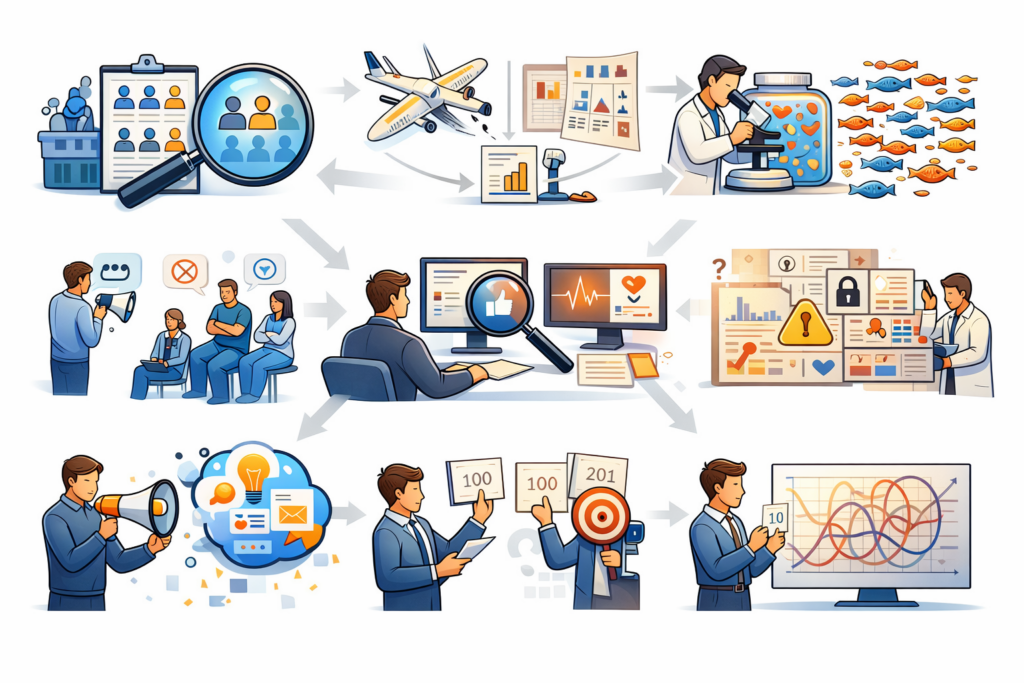
The Saying-is-Believing Effect is a cognitive bias where individuals interpret information in a way that aligns with statements they have previously made. Essentially, once someone expresses an opinion or forecast, they are more likely to filter new information to support that position.
In data analytics and business intelligence, this bias can subtly distort decision making. Analysts or managers who have publicly predicted a trend or outcome may unconsciously prioritize supporting evidence while disregarding contradictory signals. For example, if a team has forecasted a sales increase in a specific segment, they might highlight metrics that confirm growth while underestimating anomalies or warning signals. Similarly, presenting a strong recommendation to executives can reinforce selective attention, causing follow-up analyses to be unintentionally biased.
The consequences of this effect are tangible. It can reduce objectivity, obscure emerging risks, and perpetuate flawed strategies. Over time, repeated reinforcement of biased interpretations may create organizational blind spots, leading to misaligned resource allocation or missed opportunities. Detecting the effect requires self-awareness and process checks – reviewing whether analyses systematically favor prior statements or forecasts and comparing them with independent or blinded assessments.
Mitigation strategies include fostering a culture of constructive challenge, implementing blind analysis where feasible, and encouraging documentation of assumptions and alternative scenarios. Rotating analysts, peer review, and automated dashboards that present unfiltered data can also reduce reliance on subjective interpretation. Maintaining awareness that prior statements can shape perception is critical for objective data evaluation.
For data professionals, acknowledging the Saying-is-Believing Effect reinforces the importance of separating narrative from evidence. High-quality data alone is insufficient and interpretation processes must be structured to minimize cognitive distortions.
from book: The Human Layer: A Reference Manual for Debugging Cognitive Biases in Data and Analytics