
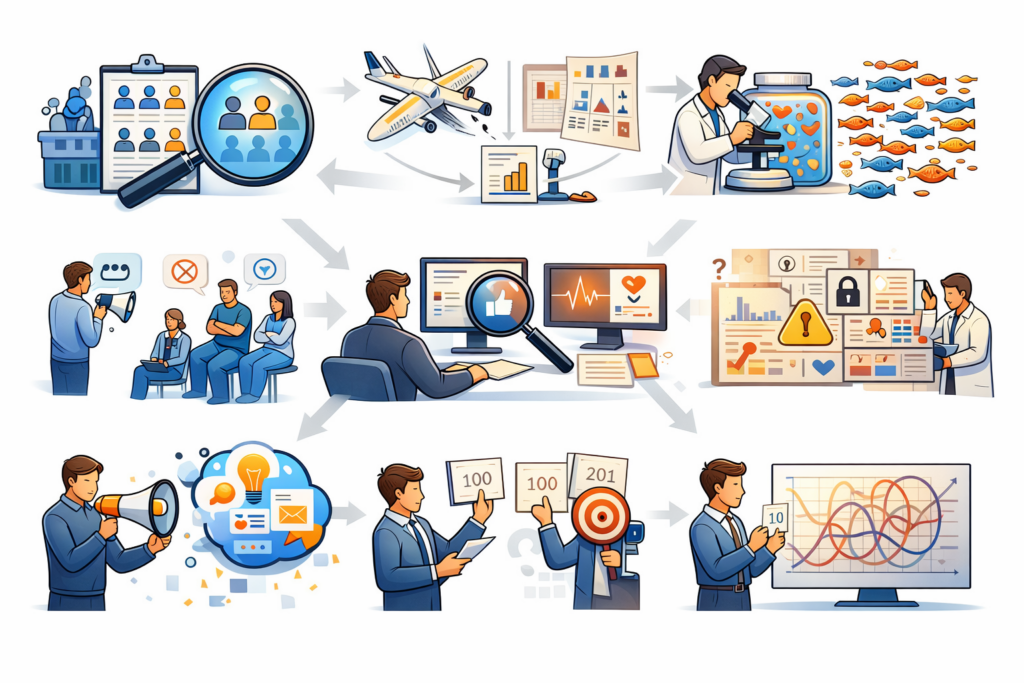
Power Distance Bias occurs when information and feedback are filtered or altered as they move up an organizational hierarchy. Subordinates may withhold negative insights, exaggerate positive results, or avoid contradicting senior management, resulting in a distorted view of reality at the top.
In the context of data and business intelligence, this bias can significantly affect decision-making. Analysts or data teams may hesitate to highlight anomalies, underperformance, or flawed assumptions in reports presented to executives. For example, during a BI dashboard review, a team might downplay declining KPIs to avoid scrutiny, giving leaders a misleading impression of business health. This can lead to strategic missteps, misallocation of resources, or failure to address critical risks in time.
Detecting Power Distance Bias requires assessing communication patterns and reporting behaviors. Anonymous feedback channels, structured reviews, and cross-level validation of insights can reveal whether data is being unintentionally sanitized. Comparing raw datasets with executive summaries can also highlight discrepancies introduced by hierarchical pressures.
Mitigation strategies involve fostering a culture of psychological safety and transparency. Encourage open dialogue where team members can present findings without fear of retribution. Standardize reporting formats to ensure all data points, including negative or unexpected results, are visible. Leaders should actively solicit dissenting opinions and verify assumptions with independent data checks.
Recognizing and mitigating Power Distance Bias ensures that BI outputs reflect true performance, not hierarchical perception. Accurate reporting supports better decisions, risk management, and long-term organizational resilience.