
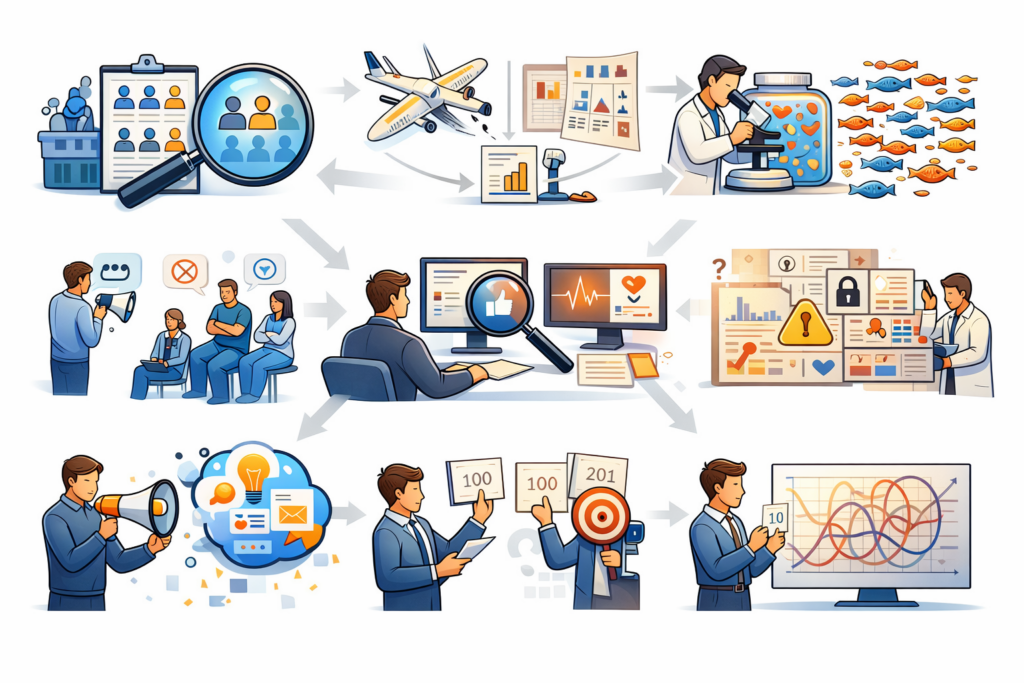
Home Advantage Bias is the tendency to overestimate the success or performance of a “home” team, group, or familiar context, even when data does not support such a conclusion. It creates a subjective preference for familiar environments or familiar stakeholders.
In data, analytics, and BI, this bias appears when teams favor internal projects, tools, or approaches simply because they are familiar or developed “in-house”. For example, a BI team may insist that their internal dashboard is superior, despite user engagement data or performance metrics suggesting alternative tools perform better. Similarly, analysts may overvalue insights generated from familiar datasets while underweighting external or cross-functional sources.
Home Advantage Bias can damage decision-making by introducing unwarranted confidence, skewing investment choices, or misallocating resources. Organizations risk reinforcing suboptimal systems or ignoring evidence of more effective solutions. In practice, companies may continue to rely on legacy in-house platforms despite external benchmarks showing better alternatives, simply because “we built it ourselves” or “our team knows it best”.
Diagnosis involves comparing subjective assessments with objective performance data. If internal solutions consistently receive favorable evaluations unsupported by metrics, the bias is likely present. Surveys, user analytics, and cross-team reviews can highlight discrepancies between perception and reality.
Mitigation requires evidence-based evaluation frameworks, blind testing, and an openness to external benchmarks. Encourage data-driven decisions, standardize performance metrics, and document rationale for tool or project selection to reduce favoritism toward familiar solutions.
Familiarity can cloud judgment. In data-driven environments, success comes from objective evaluation, not loyalty to what is “home”.