
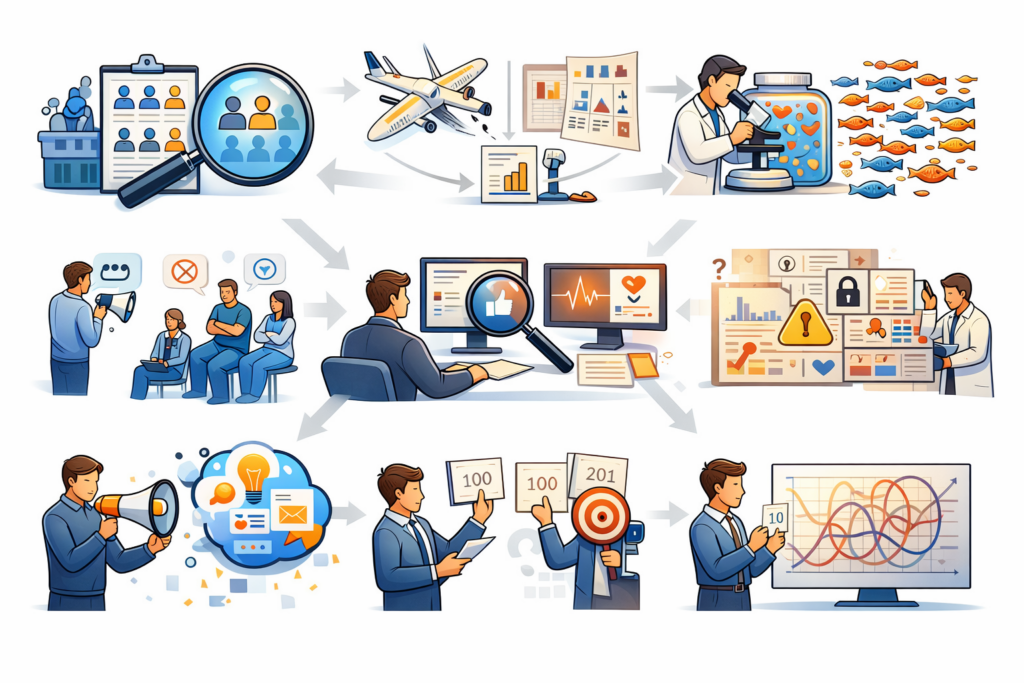
Authority Bias is a cognitive bias in which individuals place excessive trust in information or recommendations from perceived authority figures, often without critical evaluation. In a data and business intelligence context, this can manifest when analytics teams or decision-makers accept insights from senior leaders, external experts, or well-known consultants without questioning assumptions, methodology, or underlying data quality.
In practice, Authority Bias frequently occurs during data-driven decision-making processes. For example, a C-level executive may insist that a particular sales strategy is effective based on their experience or prior successes. The analytics team, rather than rigorously validating the claim against current datasets or testing alternative hypotheses, may present supporting metrics or adjust models to align with the executive’s expectations. While this may appease leadership in the short term, it risks promoting decisions that are not truly evidence-based. Similarly, teams may uncritically adopt benchmarks or best practices recommended by external authorities, even when contextual differences make them irrelevant.
The consequences of Authority Bias are significant. Decisions may be based on perceived credibility rather than actual causality, leading to misallocation of resources, overlooked risks, and flawed strategic initiatives. A real-world illustration is the adoption of a new data platform solely because a high-profile consultant recommended it, without thorough evaluation. The result can be costly, inefficient implementations that fail to deliver expected value.
To diagnose this bias within a team, observe whether suggestions from senior figures or external experts are accepted without scrutiny, or if dissenting opinions are discouraged. Examine past decisions for patterns where authority overshadowed evidence.
Mitigation requires fostering a culture of evidence-first evaluation. Encourage teams to validate claims, replicate analyses, and question assumptions regardless of the source. Explicitly document the rationale for decisions and ensure data-driven discussions take precedence over authority-based arguments. Promoting peer review and cross-functional critique helps counteract unconscious deference.
Authority is not a substitute for rigorous analysis. True data-driven decision-making demands questioning assumptions, regardless of the source.