
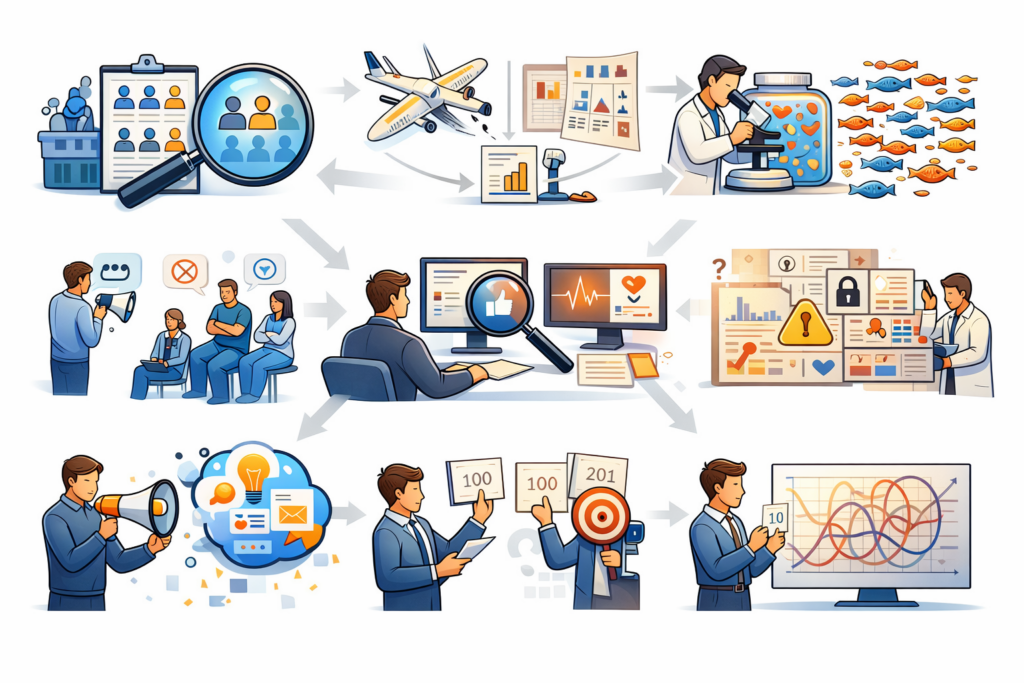
Appeasement Bias is a cognitive and organizational bias where we assume that making concessions to a stronger, louder, or more aggressive party will lead to peace, stability, or cooperation. In reality, these concessions rarely create balance. They usually invite further and escalating demands. Short-term conflict avoidance replaces long-term sustainability.
In data analytics and BI, Appeasement Bias most often appears in the relationship between data teams and business stakeholders. A common pattern is constant accommodation of ad-hoc requests, tailoring KPIs to individuals, or approving analytical shortcuts just to avoid tension. The data team assumes that “once we deliver this, things will calm down.” They do not.
This bias damages both decision-making and outcomes. BI gradually degrades into a reporting service with little strategic value. Prioritization collapses, data quality erodes, and analysts operate reactively instead of systematically. The organization may satisfy the loudest voices in the short term, but it loses trust in analytics as a management tool over time.
In practice, there are cases where data teams repeatedly changed metric definitions under pressure from individual executives. The result was that the same KPI meant different things across reports. Decisions became incomparable and BI lost credibility across the organization.
Diagnosing Appeasement Bias requires observing behavioral patterns. If rules change under pressure, if “urgent exceptions” become the norm, and if teams are afraid to say no, the bias is active. Another warning sign is the absence of clearly defined data principles.
Mitigation requires firm frameworks. Clearly defined KPIs, transparent prioritization, and leadership support when setting boundaries are essential. Conflict should not be suppressed, but managed. Data decisions must be grounded in principles, not in volume or authority of the requester.
The key insight for data and BI leaders is simple: concessions may buy silence, but they never buy respect. Without boundaries, analytics loses both authority and value.